‘ …there is no approach, approach suggests moving nearer, getting
closer, suggests that we are not already near or close enough’ – Stanley Cavell
Find a scene that has depth. From a fixed position, take a sequence of five or six shots at
different focal lengths without changing your viewpoint. (You might like to use the specific
focal lengths indicated on the lens barrel.) As you page through the shots on the preview
screen it almost feels as though you’re moving through the scene. So the ability to change
focal lengths has an obvious use: rather than physically move towards or away from your
subject, the lens can do it for you. But zooming is also a move towards abstraction, which, as
the word itself tells us, is the process of ‘drawing things away’ from their context.
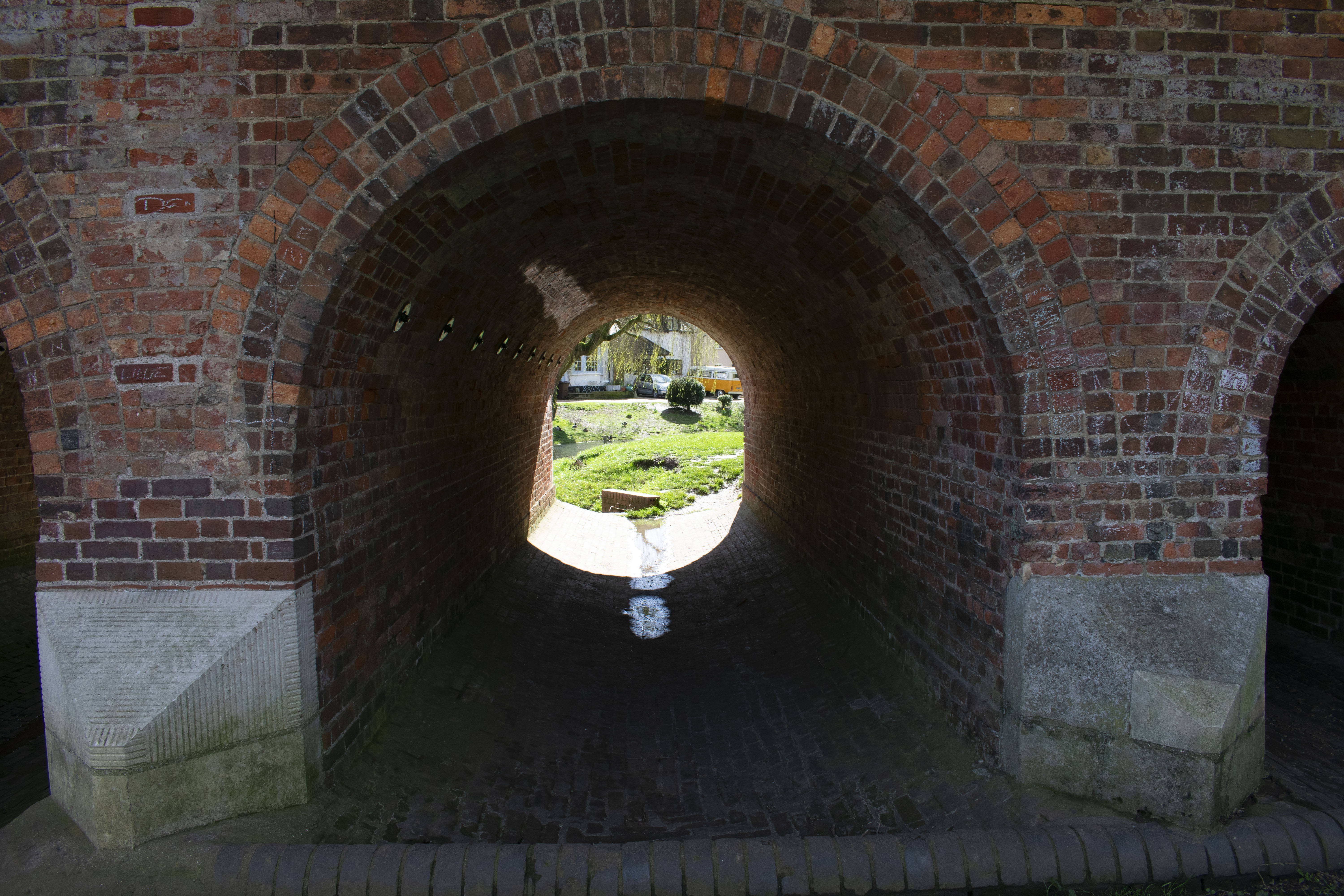
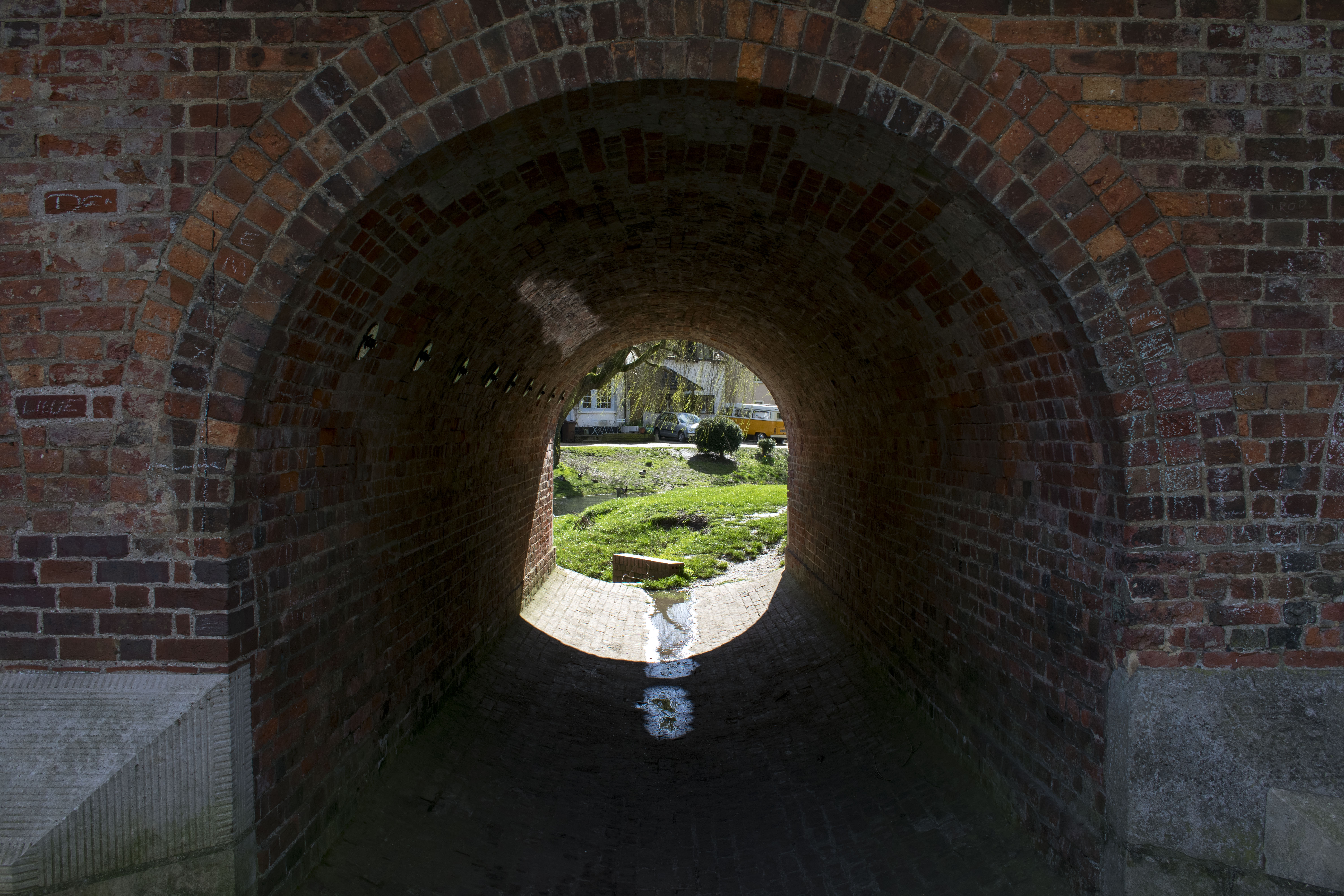
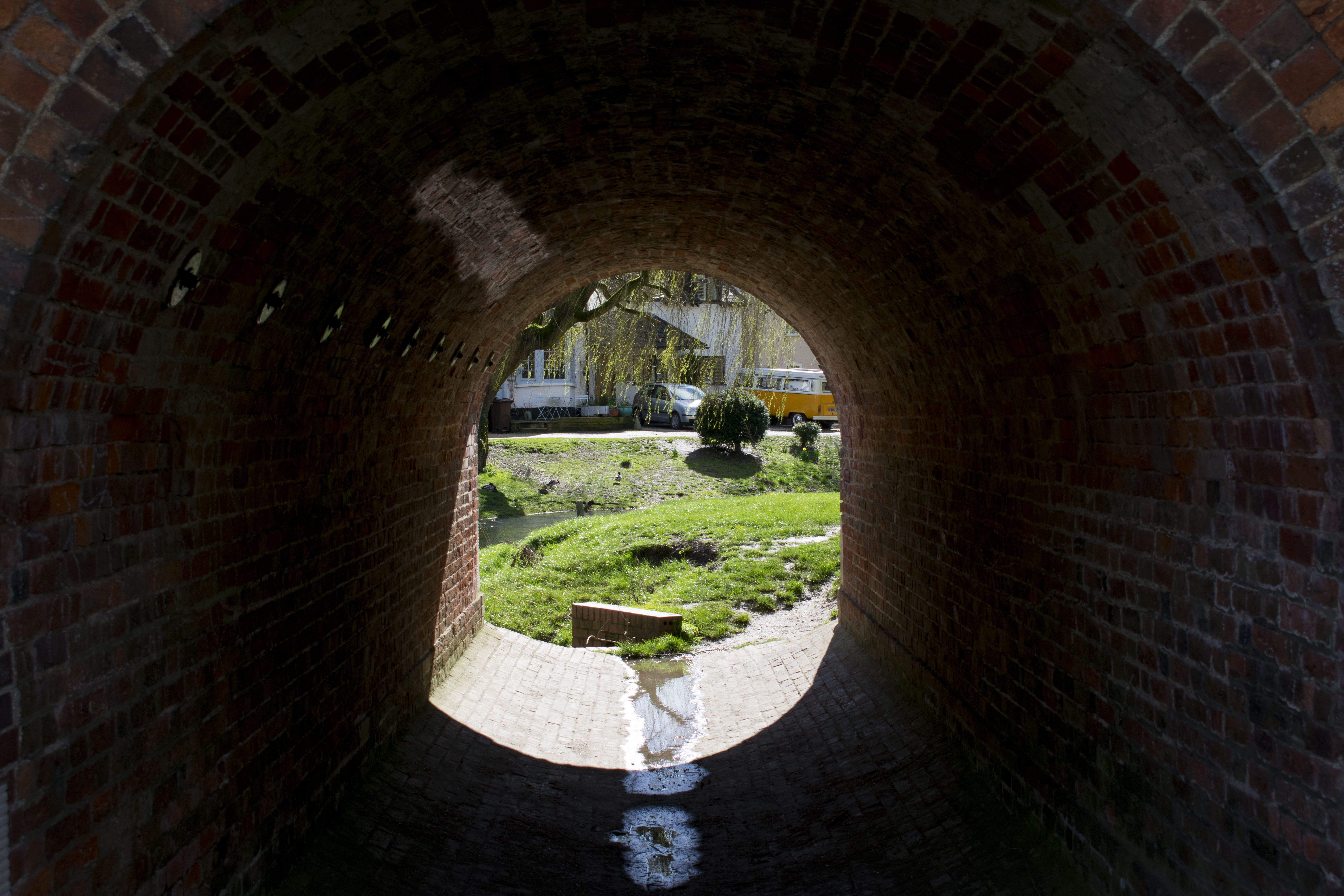
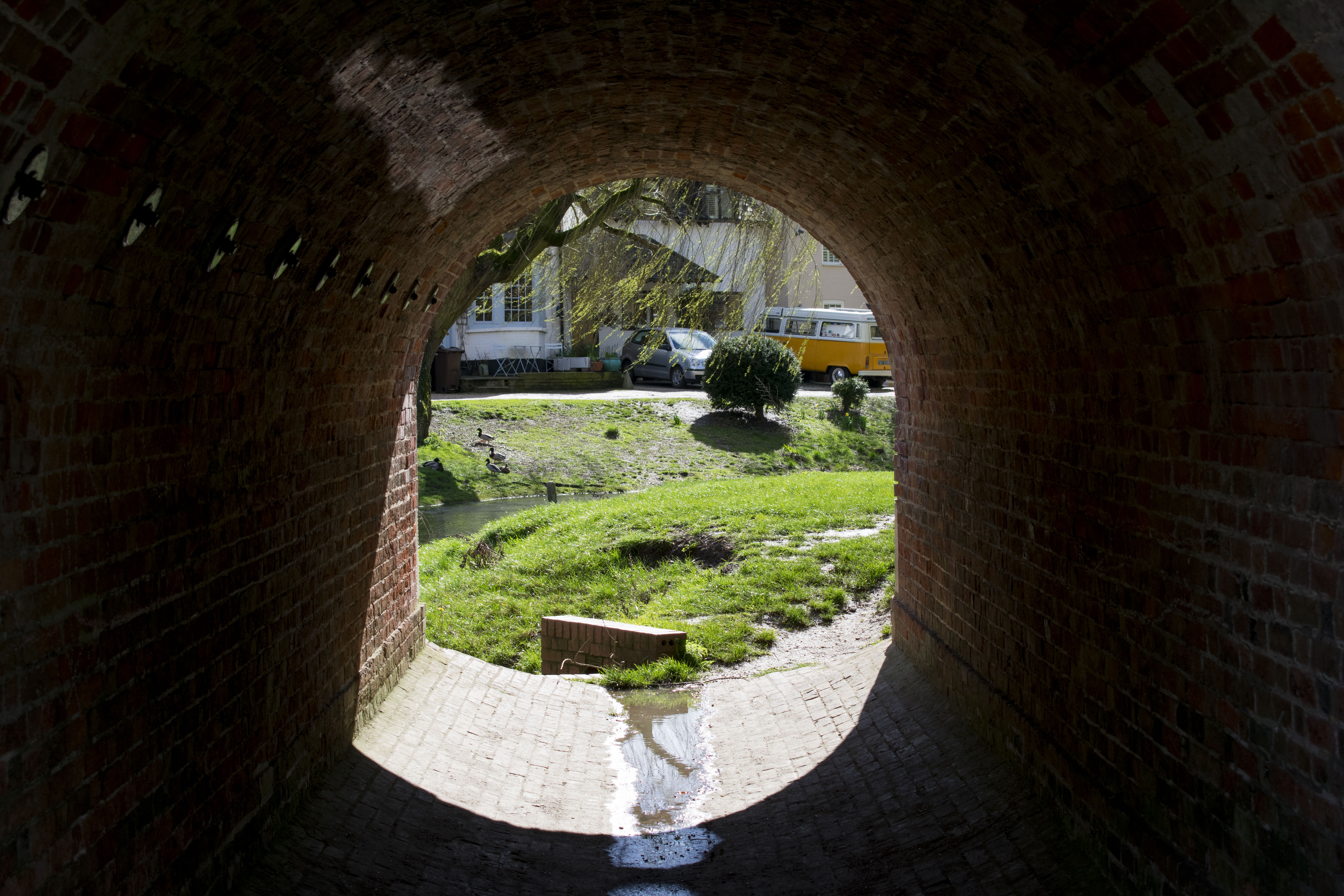
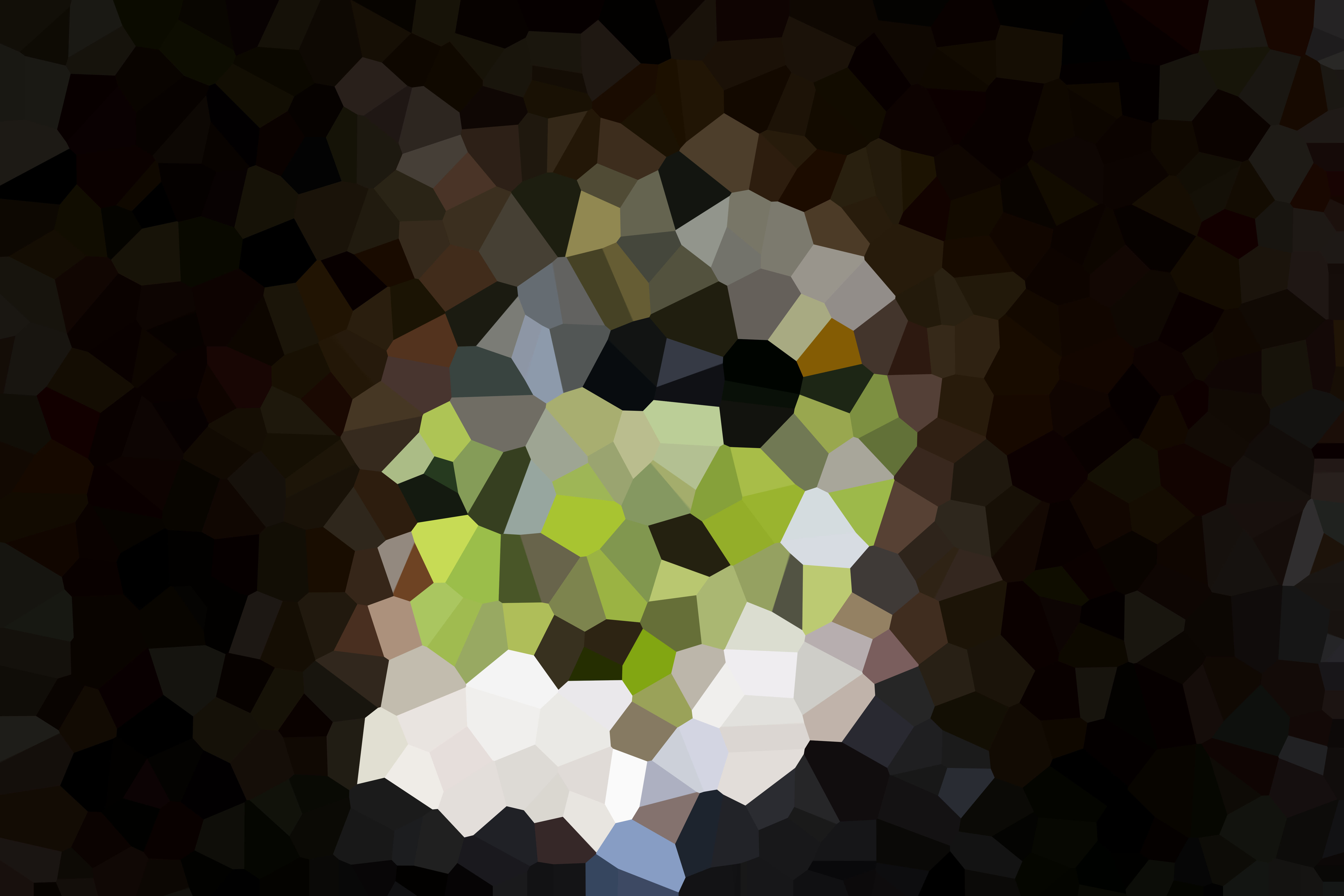
My final image Pixel River, was created using the Crystalise effect in Photoshop. I played with various sizes until I got the effect I was after.
Below is the pixel size I rejected.
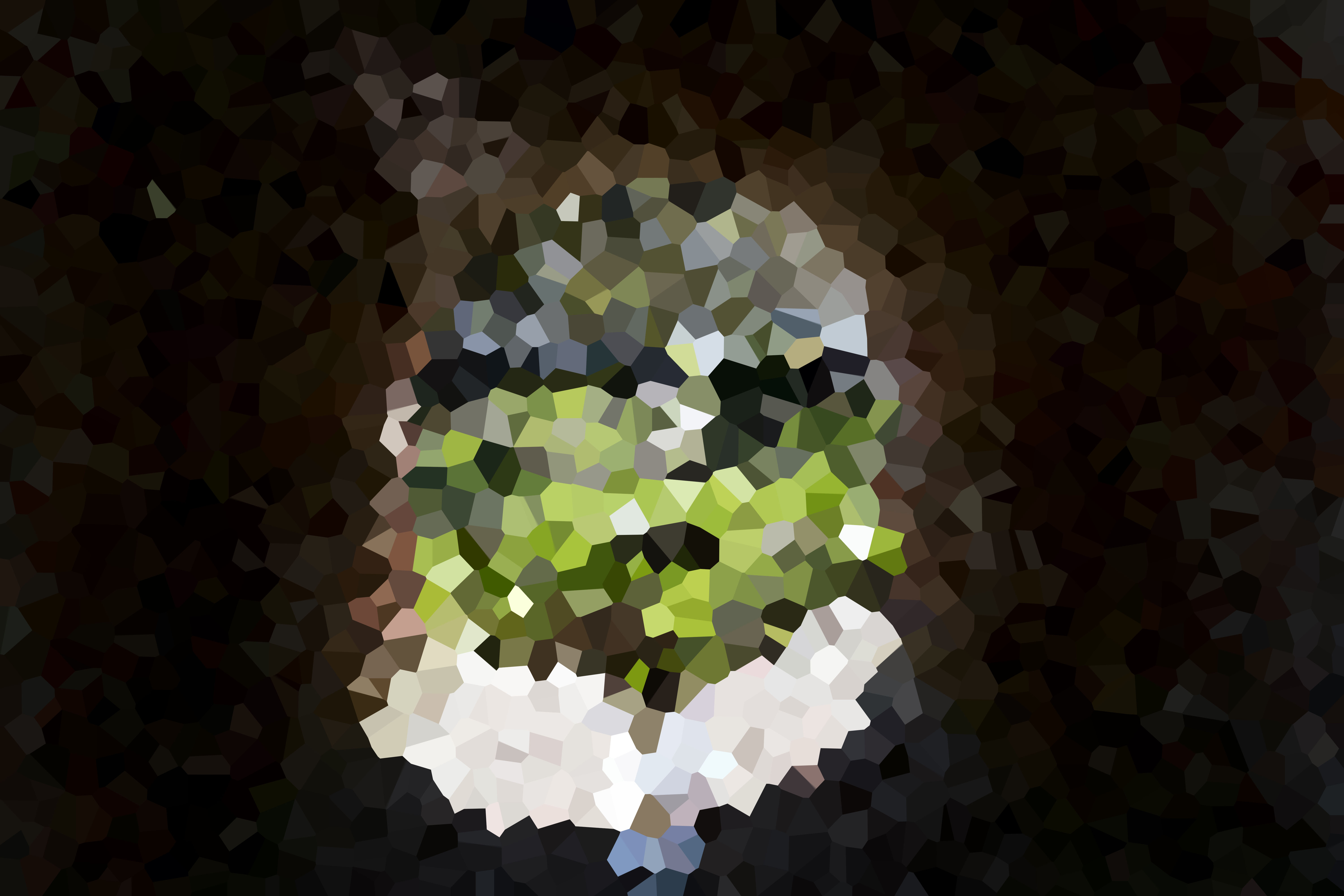
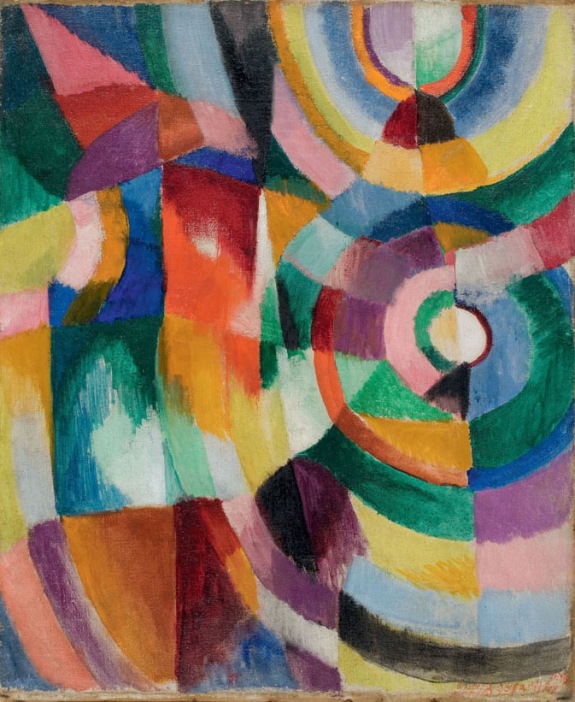
I went with the larger size as I wanted a real abstract look to the edit, after taking inspiration from the Cubist artist Juan Gris, and the abstract artist Sonia Delaunay. I feel that with the rejected images pixel size, it’s too easy to still depict the river scene, with the easily recognisable grass area, and what looks like some sort of tunnel, whereas the larger pixels make you really think about what the image could be. Is it a face? An owl as one friend suggested? Who really knows?
As mentioned, I took inspiration from two artists.
Juan Gris’ work entitled “Bottle of Rum and Newspaper” 1913-14, allows the viewer to identify the objects within the scene, but a second and third look is required to really focus in on what is happening and what is truly there.
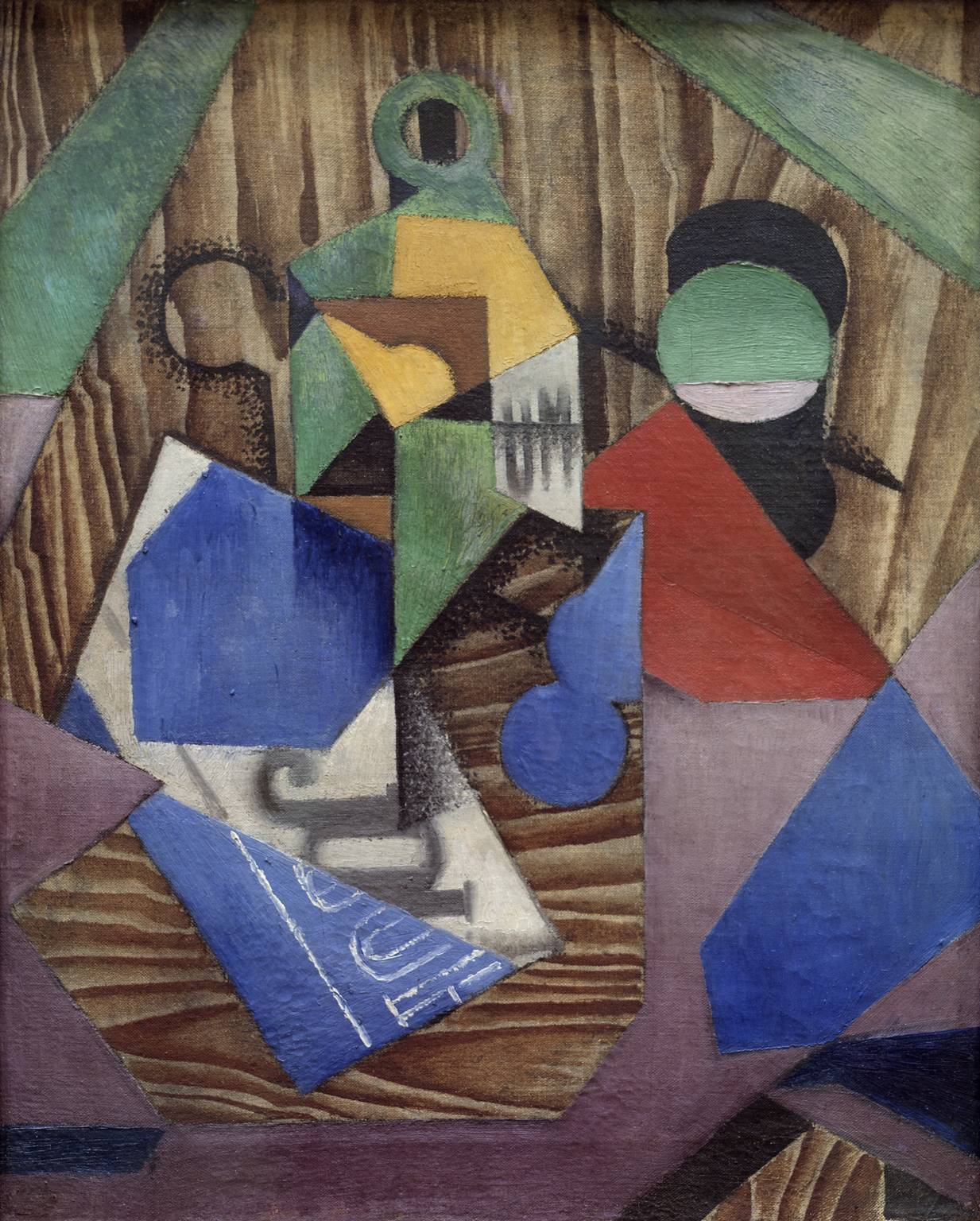
For me, I see three people sat around a table, clearly identified by the wood grain, with a newspaper, no rum as such but some of the other shapes could easily be a drink, and the lettering towards the centre of the piece indicate towards a bottle label.
Sonia Delaunay’s work ‘Electric Prisms’ 1913 is much more abstract, with her use of bright colours and varying shapes, there is no “picture” within the painting as such, no people sat around a table, or sat on the beach, just shapes and lines, intertwined to create a beautiful work of art.
 Alana Smith